



Latest News
- Toronto police alert; asking for help identifying suspected child molester
- What you need to know about the oil tanker ban in British Columbia
- Hundreds of homes in northern Ontario mining town left without heat after gas outage
- Quebec judge grants bail to man who spent more than 30 years in prison for four murders
- What do the leaders of Canada's largest white nationalist group want?
Latest Ads
-
Jasmine Jewel
Call

-
Omidan group
Call

-
Amir Madanpour
Call

-
Dimo studio
Call

-
Yorkacademy
Call

-
Maryambagheri
Call

-
Shishlix Restaurant
Call


 96 View
 172 View
 370 View
 247 View
 200 View
 241 View
 237 View
 373 View
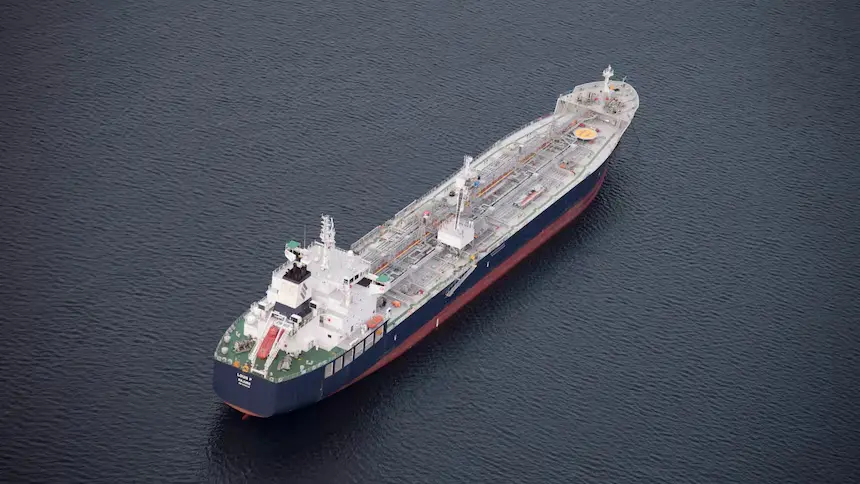
What you need to know about the oil tanker ban in British Columbia
For years, oil tanker traffic has been banned in British Columbia’s northern waters to protect its environmentally sensitive coastline. But now the federal government is poised to review the ban.
Discussions about the future of the ban began after Prime Minister Mark Carney and Alberta Premier Daniel Smith signed a memorandum of understanding (MOU) in November that outlines the steps to build an oil pipeline from Alberta to the Pacific coast.
What is the oil tanker traffic ban?
The federal government first imposed a ban on oil tanker traffic in 1972, but it wasn’t until 2019 that it was formally enshrined as the Oil Tanker Traffic Ban Act.
The law covers a vast area that stretches from the northern tip of Vancouver Island to British Columbia’s border with Alaska. Under the law, tankers carrying more than 12,500 tonnes of crude oil or permanent petroleum products such as bitumen and Bunker C fuel are not allowed to stop, load or discharge at ports in the area. These products are slowly cleared from the environment and can be harmful.
The ban does not apply to refined petroleum products such as gasoline, diesel, jet fuel or liquefied natural gas (LNG).
What is the Voluntary Tanker Exclusion Zone?
The federal government established the Voluntary Tanker Exclusion Zone in the late 1980s, creating a larger buffer between tankers and the British Columbia coast. The zone covers about 100 kilometres off the coast of Haida Gwaii and 40 kilometres off Vancouver Island. The zone is reserved mostly for American tankers carrying oil from the Trans-Alaska Pipeline terminals in Alaska to refineries in Washington state.
Dangers in the waters of the ban
Known for its critical conditions, Hackett Strait is a major area of concern for oil tanker traffic. The strait separates islands and the coast of British Columbia, and many ships, including fishing boats, ferries and container ships, have encountered problems in the area. The waters are particularly shallow, which makes large ocean waves more likely to build up.
Supporters and opponents of changing the tanker ban
Opponents of the ban — including Alberta’s oil sector, Premier Daniel Smith and federal Conservative Party Leader Pierre Poilier — argue that the ban would limit Alberta’s ability to export oil to key Asian markets and hinder economic development.
On the other hand, supporters of the ban, including indigenous leaders and environmental groups, say the ban is necessary to protect environmentally sensitive beaches and marine ecosystems that are crucial to the province’s economy and the lives of indigenous people.
The Western British Columbia government (NDP) also supports the ban. In November, Premier David Ibbie signed a declaration with indigenous leaders urging the federal government to maintain the ban.
Source
Suggested Content
Latest Blog





Login first to rate.
Express your opinion
Login first to submit a comment.
No comments yet.