




Latest News
- Shoppers concerned about possible law change and end of loyalty points in Ontario
- Amanda Lang interviews Alberta Premier about pipeline and deal with Ottawa
- 4 killed, 11 injured in shooting at family party in California; police searching for attacker
- British Columbia Premier: We'll agree to new pipeline if tanker ban remains
- Murder in Lambton County; one person killed, one suspect arrested**
Latest Ads
-
Jasmine Jewel
Call

-
Omidan group
Call

-
Amir Madanpour
Call

-
Dimo studio
Call

-
Yorkacademy
Call

-
Maryambagheri
Call

-
Shishlix Restaurant
Call


 1853 View
 624 View
 367 View
 481 View
 331 View
 144 View
 362 View
 357 View
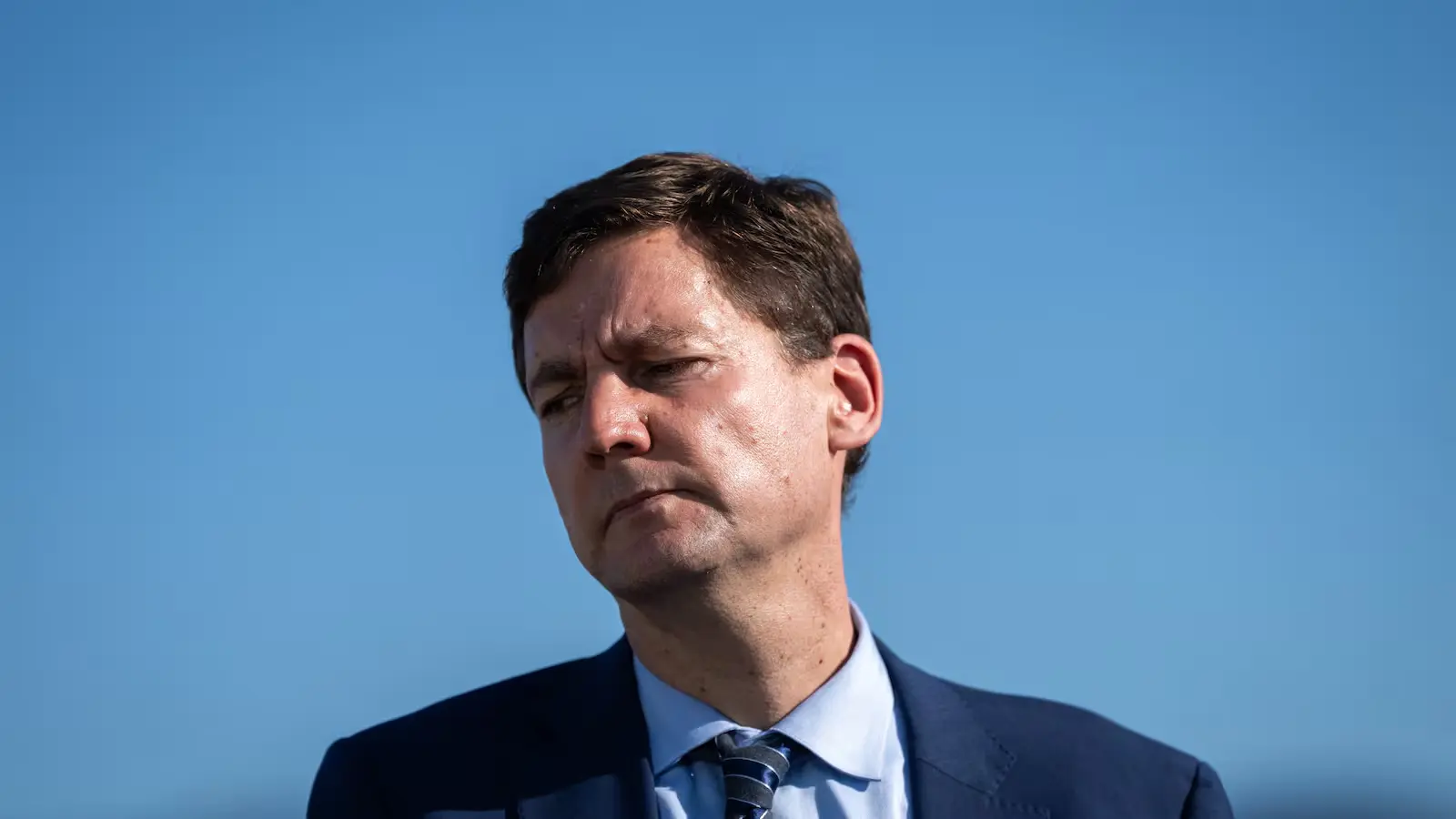
British Columbia Premier: We'll agree to new pipeline if tanker ban remains
British Columbia Premier David Abe, who previously opposed Alberta’s bid to build a new heavy crude pipeline to the west coast, says he would not oppose the new pipeline project in his province if the tanker ban remains in place.
“No, I think we can have a conversation about it,” Abe told CTV’s Question Period. “My main concern is the tanker ban, which is the basis of social consent and tens of billions of dollars of investment in British Columbia. If we agree to keep the tanker ban, we can have a conversation,” he said.
He added that maintaining the ban would improve relations with coastal First Nations and calm the situation.
The comments came after Canadian Prime Minister Mark Carney and Alberta Premier Daniel Smith signed a historic energy cooperation agreement that sets out the terms for a new pipeline to the Pacific Ocean. Alberta would have to implement an industrial carbon pricing system with a floor price of $130 per tonne by April 2026. In return, the federal government has suspended Alberta’s clean electricity regulations, will not enforce emissions caps on oil and gas, and will grant exemptions to the tanker ban for the new pipeline if needed.
Carney stressed that the pipeline would only be possible if a private investor was present.
Abe warns against lifting tanker ban
Before announcing the deal, Abe had said lifting the tanker ban would be a “serious mistake” and would threaten projects being developed on B.C.’s north coast and existing agreements with First Nations.
The tanker ban, which has been in effect since 2019, bars tankers carrying more than 12,500 tonnes of crude or heavy oil from entering B.C.’s northern ports.
While the text of the agreement mentions the construction of private pipelines with Indigenous economic participation, there is no mandate for them to pass through B.C.’s northern coast.
Abe stressed that his main objection is not to the pipeline’s route, but to maintaining the tanker ban. He said the risk of oil spills and the resulting economic damage is too serious.
Transmountain capacity expansion
Abe pointed to the B.C. government’s recent support for a 40 per cent increase in the capacity of the Transmountain pipeline to transport more Alberta crude, saying the move could start in 2026.
“We have been on board with Alberta to do this, albeit through gritted teeth. We opposed this pipeline, but now it’s built and in public ownership. It’s time to work together.”
Abe also said that strong opposition is futile given that the federal government has the authority over interprovincial projects.
In a separate interview, former Kinder Morgan Canada CEO Ian Anderson also said the pipeline route should be determined by the market.
“Frank” conversation with federal energy minister
Under the new agreement, the Canadian and Alberta governments have committed to working with B.C. to advance the province’s economic interests.
Abe said he had a “frank and challenging” meeting with Tim Hodgson, Canada’s Minister of Energy and Natural Resources, on Friday, where he reiterated his province’s concerns about the Alberta-Ottawa deal.
Hodgson has previously said that working with B.C. is necessary to implement some of Alberta’s demands.
Source
Suggested Content
Latest Blog





Login first to rate.
Express your opinion
Login first to submit a comment.
No comments yet.